





LIVE: Trauma-Informed Supervision of Forensic Trainees
February 20, 2026 | 9:00 AM - 11:00 AM Pacific
February 20, 2026
9:00 AM - 11:00 AM
Pacific
2 Hours | 2 CEs
$150 Registration | $125 Early Registration (through February 13th) | Live Virtual Training via Zoom
Terry Kukor, PhD, ABPP and Julie Goldenson, PhD, present a live virtual professional training program on Trauma-Informed Supervision of Forensic Trainees.
This program explores the intricate emotional landscape of forensic practice and the distinct challenges faced by professionals working in trauma-informed settings. Forensic work often involves exposure to traumatic material, high-stakes decision-making, and interactions with systems that can be adversarial or emotionally taxing. These factors contribute to a heightened risk of stress, burnout, and secondary traumatic stress (STS) for both clinicians and supervisors.
Through discussion, case examples, and practical strategies, this program will explore how trauma-informed (TI) principles can be intentionally applied to the supervisory process to promote resilience, reflective practice, and ethical decision-making. Participants will learn how supervision can serve as a protective space that supports both personal well-being and professional competence in forensic contexts. Emphasis will be placed on developing supervisory awareness of emotional tolls, identifying early warning signs of compassion fatigue, and integrating trauma-informed strategies to sustain effective and ethical practice.
The program is intended for all levels of Forensic mental health professionals who provide or receive supervision
Through discussion, case examples, and practical strategies, this program will explore how trauma-informed (TI) principles can be intentionally applied to the supervisory process to promote resilience, reflective practice, and ethical decision-making. Participants will learn how supervision can serve as a protective space that supports both personal well-being and professional competence in forensic contexts. Emphasis will be placed on developing supervisory awareness of emotional tolls, identifying early warning signs of compassion fatigue, and integrating trauma-informed strategies to sustain effective and ethical practice.
Topics include:
- Clinical and Forensic Supervision: Key Competencies and Differences – Understanding the unique demands of forensic supervision and how they diverge from traditional clinical models.
- The Emotional Toll of Forensic Work – Examining the psychological impact of exposure to distressing material and system-level pressures.
- Personal and Professional Risk Factors for Secondary Traumatic Stress (STS) – Identifying who is most at risk and how to mitigate vulnerabilities.
- Trauma-Informed (TI) Principles in Forensic Settings – Applying TI frameworks to supervision, organizational culture, and professional relationships.
- The Supervisor’s Gatekeeping Function – Addressing situations where supervisees’ personal reactions or stress responses may compromise competent and ethical forensic practice.

Intended Audience
This live program is intended for mental health and other allied professionals.

Experience Level
This live program is appropriate for beginner, intermediate, and advanced level clinicians.

CE / CPD Credit
APA, ASWB, CPA, NBCC: Click here for state and other regional board approvals.
Presented By
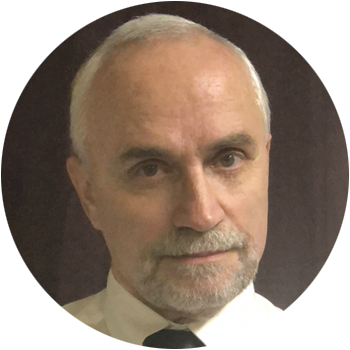
Terry Kukor, PhD, ABPP (Forensic)
Terry Kukor, Ph.D., ABPP, is board-certified in forensic psychology, and is a Senior Forensic Psychologist at the Netcare Forensic Center. Dr. Kukor has specialized in criminal forensic evaluation for more than 30 years, during which time he has also done violence risk and threat assessment. He teac...
Presented By
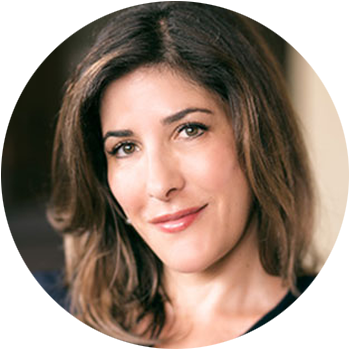
Julie Goldenson, PhD
Dr. Julie Goldenson is a clinical and forensic psychologist with two decades of experience conducting evaluations in criminal and civil contexts. Following a postdoctoral fellowship at Simon Fraser University’s Mental Health, Law, and Policy Institute, her professional work has integrated clinical a...
Learning Objectives
Upon completion of this program you will be able to:

Describe key competencies and differences between clinical and forensic supervision
Describe Secondary Traumatic Stress (STS) and related constructs, and personal and professional risk factors for the development of these conditions
Describe how trauma-informed principles can be applied to forensic supervision to help trainees manage job-related demands

Live Event Policy
Registration for our live events is covered for one (1) person per purchase. If you would like to purchase for a group, please contact our group training team.

Event Communications
When registering, use an email that is active and that you check regularly. We are not responsible for communications not being received; if you do not add caps@paloaltou.edu to your email safe sender list, our emails are likely to end up in your spam or junk folders.

Cancellation Policy
Have a sudden change of plans and are unable to attend live? No worries; you will be given access to the on-demand version of the program once available. Please note if you attend live, no access to the recording will be given.

Event Conduct
Professional conduct is expected during our live programs. Our goal is to make our events as interactive as possible for all participants. We reserve the right to remove any participants who are disruptive, act unprofessionally, or who we are unable to verify their purchase.
Develop a Specialty Area of Practice
Transforming mental health professionals into experts

Expert Instructors
Professional training developed and delivered by the field's leading experts

CE Credit
Earn CE credit for meaningful professional training that will elevate your practice

Convenience & Flexibility
Learn at your own pace, from wherever you might be!